









The Chairman of the MV Barima Commission of Inquiry (COI), Justice Godfrey Smith of Belize is making it clear that the public needs to understand that the Commission of Inquiry is not a trial.
At an official opening of the Commission of Inquiry this morning, Justice Smith provided a detailed overview of the work that the Commission will have to undertake as it probes the ferry disaster that claimed more than 100 lives.
He said while an inquiry may appear to resemble a court, it is not, and will therefore not determine the criminal guilt of anyone or civil liability.
“Our task is to establish facts, make findings within the scope of our mandate, identify causes and contributing factors, identify shortcomings or failures in a way that the court system does not, and make recommendations. Our recommendations are not legally binding, and it will be for the government or other relevant public bodies and organizations to decide what action will be taken in response to our report,” Justice Smith explained.
The Chairman of the Commission of Inquiry said should evidence emerge that requires referral to competent authorities, the Commission will be guided by the Terms of Reference and the law, adding that the report generated at the end of the inquiry may be the catalyst for civil and criminal proceedings to follow.
“Since our appointment, we, together with the Commission’s counsel and personnel, have been gathering important technical maritime documentation and analyzing it, conducting investigations, drawing up a list of potential witnesses and interviewing them, drafting procedural rules to guide the conduct of the Commission’s work and other preparatory work necessary for the full and efficient discharge of this solemn public duty we have been entrusted with,” the Chairman explained.
The Commission anticipates that there will be over 100 witnesses including survivors, the families of those who perished, officials, and first responders making appearances to provide evidence.
Justice Smith said in accordance with its mandate, the Commission intends to ascertain the circumstances under which the MV Barima capsized and sank.
Warning signs and failures, in addition to the laws, regulations and safety procedures at the time of the tragedy will also be placed under the microscope.
Alluding to the Terms of Reference, the Chairman said the Commission intends to conduct a thorough, independent and impartial public inquiry to determine the circumstances surrounding the capsizing and sinking of the BARIMA including the loss of lives, the response to the casualty, and all matters reasonably connected with it.
“They require us, so far as the evidence reveals, to establish the full facts and sequence of events; to determine the immediate, direct and contributing causes of the casualty; to identify operational shortcomings or failures; to assess compliance with applicable legal and safety requirements; to consider accountability where warranted; and to propose reforms necessary to strengthen maritime safety and prevent the possibility of recurrence,” he explained.
He said the mandate of the Commission is therefore not confined to the final moments of the voyage but includes the circumstances which existed before, during and after the casualty occurred.
“Major casualties rarely arise from one isolated circumstance. They may arise from the interaction of several factors such as physical conditions, human decisions, organizational systems, systemic failures, inadequate regulatory controls and failures of communication or oversight that may have built up over a longer period of time. Our responsibility is to identify and examine those matters fairly and precisely, to follow the evidence wherever it leads and to frankly and fearlessly report our findings,” he said.
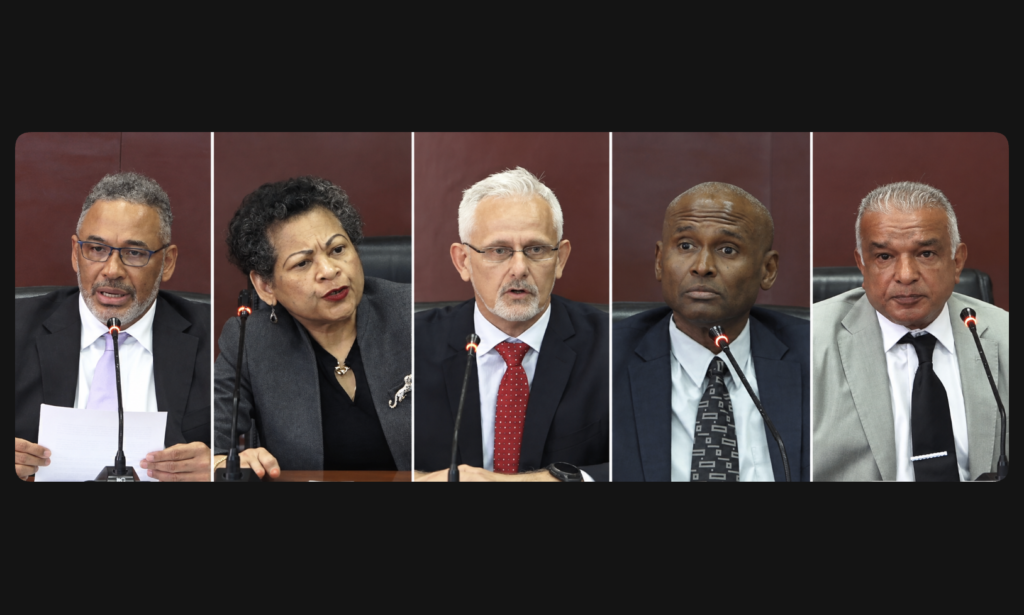
In accordance with the Terms of Reference, the COI will focus on six main areas, which include the seaworthiness and safety of the vessel; passenger and cargo operations; the crew including their qualifications, competence, conduct and decision-making; the search, rescue and recovery; regulatory and institutional oversight.
“We will inquire into the systems of supervision and oversight applicable to the BARIMA. This will include consideration of the roles and responsibilities of relevant state institutions, including the Transport and Harbours Department and the Maritime Administration Department. We will examine inspection, certification, maintenance systems, operational procedures, supervision, staffing, training, enforcement and regulatory oversight where those matters are relevant. What rules existed to ensure passenger safety and whether, and to what extent, were they implemented and enforced?” Justice Smith said.
The Commission will also inquire into the human dimensions of the casualty such as workload, training, communication, situational awareness, command structure, risk assessment and emergency decision-making where relevant, and will also take into account the families of the dead.
He said while the Commission cannot promise that every question the families may have, will be answered, but it stands committed to fulfilling its mandate.
Public hearings are set to commence next Wednesday.
The Commission will be moving ahead with its work although the sunken vessel remains on the seabed. The Government is still to announce an award for the salvaging of the vessel. There are more than 30 persons still missing from the tragedy.
Related posts:
 MV Barima Commission of Inquiry to begin public hearings on October 14; Only 1 survivor has submitted statement so far
MV Barima Commission of Inquiry invites submission of relevant information and recommendations
MV Barima Commission of Inquiry to begin public hearings on October 14; Only 1 survivor has submitted statement so far
MV Barima Commission of Inquiry invites submission of relevant information and recommendations
 Notice to inform public on details for MV Barima Commission of Inquiry hearings to be issued soon
 MV Barima Commission of Inquiry to determine whether negligence, misconduct and institutional failure caused ferry tragedy

You must be logged in to post a comment Login