






An engineer who survived the MV Barima ferry tragedy has told the Commission of Inquiry probing the tragedy that the vessel had a total of 4 large generators onboard when it sank on the 18th July off the Essequibo Coast. He said two of the generators were out of service at the time.
The MV Barima engineer who testified behind closed doors provided the Commission of Inquiry (COI) with critical insight into the state of the vessel.
According to a transcript of the testimony that was provided to the media, the engineer had worked on the MV Barima for approximately 10 months, although he was in the employment of the Transport and Habours Department for more than 15 years.
In the 10 months that he was assigned duties on the MV Barima, the engineer testified that he made between 25 to 30 return trips on the vessel.
The Commission heard during a trip to Port Kaituma three weeks before the tragedy, the MV Barima encountered a generator issue.
“The generator had a lil overheating issue, and we ended up dealing with that when we come back to town, and that’s what cause the boat to be in town for three weeks,” the engineer testified.
The engineer explanined that due to the overheating, the generator was overhauled, while a fourth generator was taken onboard the vessel due to the issue.
“So, what we did, we had bring a generator [to] put on the deck as the standby generator. So, the one that was heating downstairs that had issues, we put it on standdown and they bring a generator, we put it on the deck,” the engineer testified.
Led by Counsel for the Commission, Arudranauth Gossai, the engineer told the Commission that the generator, which was placed on “the main deck” was not secured or strapped down.
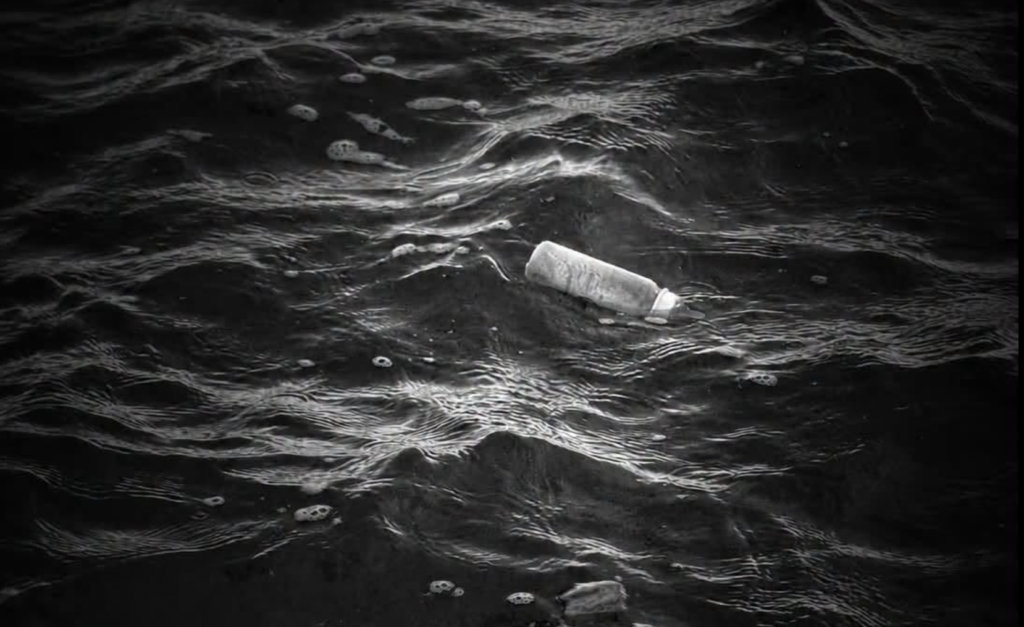
He clarified that by July 18, the “overheating” of the engine had been resolved. However, the alternator on the engine had developed a problem on the day of the tragedy, but it was replaced.
The engineer clarified that when the MV Barima Ferry departed Port Georgetown for the North-West District on the 18th July, there were four generators onboard.
“Two downstairs in the engine room, both of them was out, but we had two on the deck that we using,” he explained.
The engineer recalled that hours after the voyage began, the engine developed a number of problems.
According to him, the Captain of the vessel, Kevin Price, notified the Chief Engineer, and he was called out to assist with addressing the issue.
“We go downstairs and we dealt with the overheating and that come due to the mud box. Because like when the boat was along side the water before it let go, it pick up a lot a mud in the box. So, while we on sea at 6:30pm, we talk to the captain [to] stop the engine, and open the box and clean out all the mud and then he start back the engine, continue going again, and we did the same thing with the other engine. So, we clear out all the mud from all the strainers and we continue as a normal journey,” the engineer recalled.
The engineer told the Commission when the issue was resolved, he returned to his cabin to rest. However, he began his full shift at around 8 pm.
To his recollection, there was no other issue that had developed, though he admitted that around 10:30pm while in the company of the canteen operator, they both observed that the vessel was taking in more water than usual. At the time, the vessel was out in the Atlantic just off the Essequibo Coast in the vicinity of Devonshire Castle.
“I drinking a cup of coffee and me and he gyafffing, and while me and he gyaffing, we observe some water. This water move from six inches to like three feet within 15 seconds. This water that come, come, come on the starboard side there. By de time we see this water there, me and the guy that was gyaffing, I wake up the Chief Engineer,” the engineer said as he broke down in tears.
In tears, the engineer said by the time the Chief Engineer came out of his cabin, the water was almost 3ft high.
He recalled running up the stairs of the vessel to grab a life jacket but by then the vessel was already capsizing.
“While running up the step there, the boat done turning to the side. Everybody screaming, everybody hollering. There was nothing more I could have done. There was nothing more I could have done,” the engineer said as he broke down even further.
The engineer said he later found himself in the water, and held onto a mattress, and then another floating object. He said together with an older woman and her daughter, he held onto the object and they all drifted for hours.
They were later rescued by the Coast Guard and taken to Charity for medical attention. More than one hundred persons were killed in the tragedy, the remains of 30 persons are still to be recovered. There were only 76 survivors.
Related posts:
 GDF Rank recalls MV Barima’s engine troubles and saving others during ferry sinking
 Husband and wife survivors recall MV Barima ferry sinking within seconds
 Parents of engineer missing in MV Barima tragedy testify that he repeatedly complained to his superiors about vessel’s problems
 MV Barima Commission of Inquiry hears of multiple engine troubles encountered by ferry before sinking


You must be logged in to post a comment Login