









The D.C Caesar Fox Secondary School in Waramadong, Region 7 reopened its doors today with many of the classrooms and dorm facility in need of urgent attention and repair.
Indigenous rights activist Laura George, believes the current condition of the school is placing children at risk.
It was explained that many of the school’s buildings are rotting, with some doors and stairways on the verge of collapse.
Appearing on the SOURCES talk show on Sunday evening, Ms. George said to compound the situation, hundreds of students at the school and dormitory are made to use latrine toilets, which she said is unacceptable.
“There is no child in Georgetown that uses pit latrine. These discriminatory practices of the government have to stop because putting our children to use pit latrine, hundreds of girls and boys in a secondary school, and in primary schools, it is wrong, it has to stop, it is discriminatory,” the Indigenous Rights Activist said.
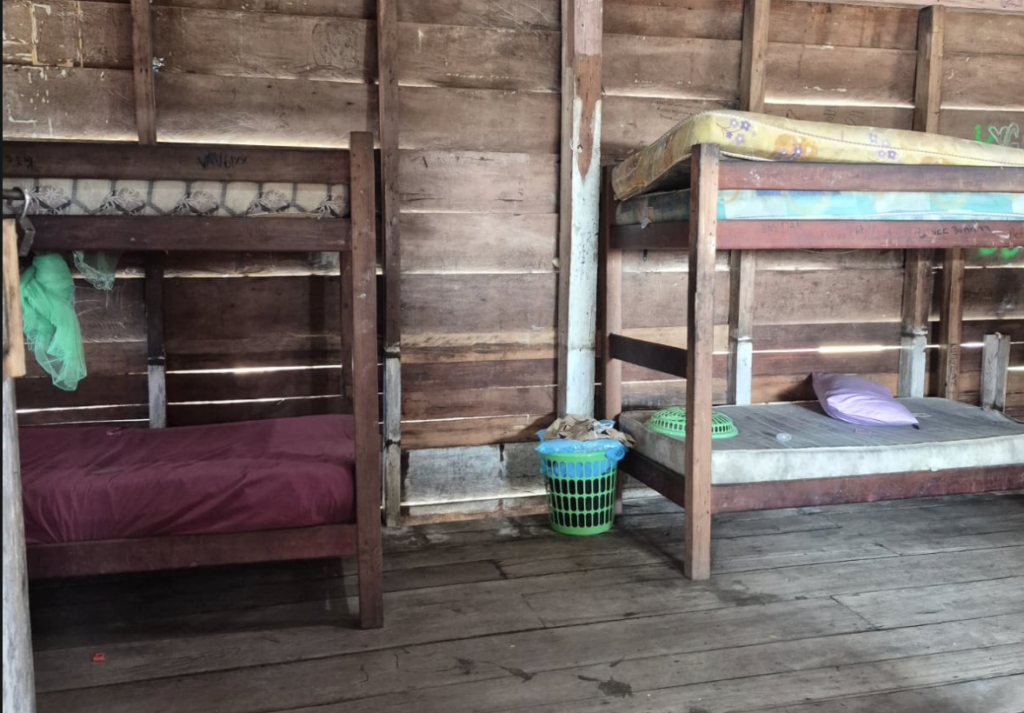
News Source understands that while there are sanitary blocks at the school, only teachers are allowed to use them, while students use latrines.
George said every school-age child in Guyana deserves to attend school in a safe, clean and conducive environment regardless of their geographical location.
“Each child of Guyana, every child of Guyana deserves to have safe schools, clean schools, clean environment and this is our obligation to the children of Guyana. The right of the child is this, this, this; we are not doing it like that, and it has to change. Again it comes back to be being discriminatory,” George said.
George said Indigenous peoples must have a say in their development.
Alluding to the Low Carbon Development Strategy 2030 (LCDS 2030), under which, Indigenous villages receive 15% of the carbon credit revenues, George submitted that Indigenous people ought to have direct access to the funds to address issues such as those facing the D.C Caesar Fox Secondary School.
“If Indigenous peoples have full ownership and are empowered and strengthened to have these good governance systems, they could have just come together long time, and have a good secondary school building there, have teachers there, proper facilities, and all of that. Because up to today, that secondary school, the parents usually still just go build pit latrines for the children of that secondary school,” she explained.
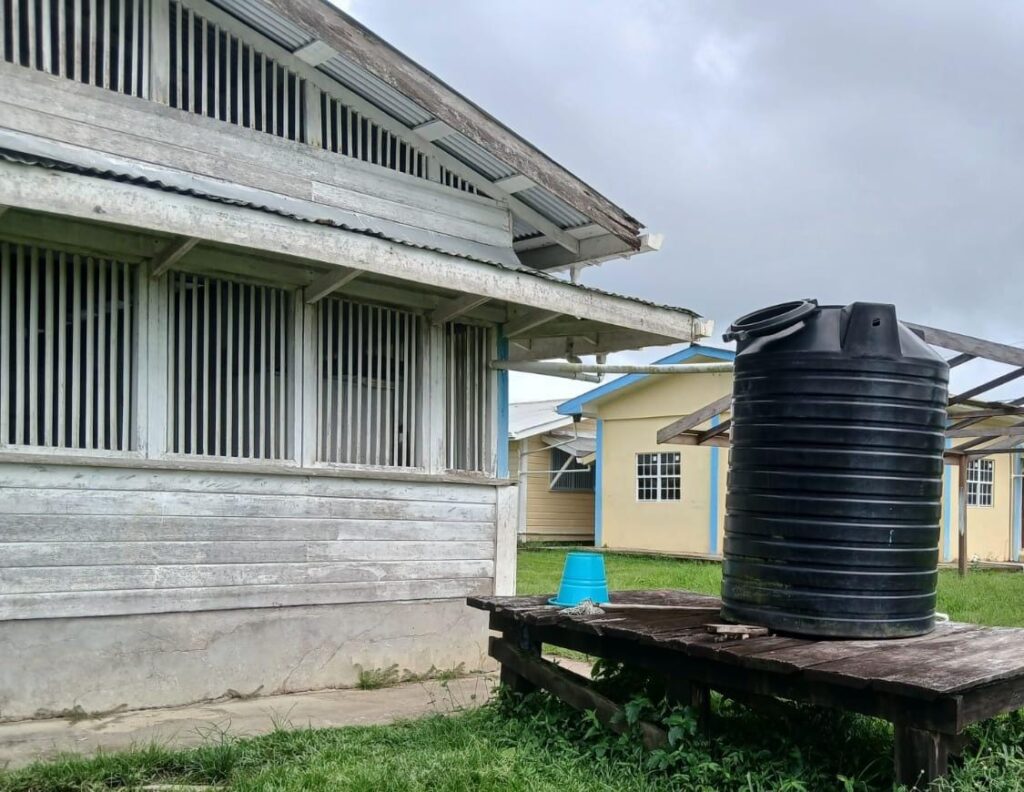
While admitting that the Government has constructed a number of new schools in the hinterland, George said many challenges remain from infrastructural defects and deteriorating buildings to lack of resources, including human resources.
At the National Toshao Council (NTC) Conference in July, the Minister of Education, Sonia Parag reported that the Government has built 72 new schools and completed 40 major school extensions across hinterland communities over the past five years as part of its efforts to bridge the education divide between the coast and the hinterland.



You must be logged in to post a comment Login