






Minister of Home Affairs Oneidge Walrond believes the increasing nature of environmental crimes should be treated as organized criminal activities and should not be brushed aside as simple violations.
Addressing the First General Assembly of the Caribbean Network of Environmental Enforcement Agencies this morning, the Home Affairs Minister said when criminal networks illegally raid a country’s forest, wildlife or natural resources, that amounts to the theft of national wealth and challenging the authority of the state.
She said when those activities cross borders and are expanded, the situation becomes a matter of organized crimes, and not just environmental violations.
“Illegal mining, illegal logging, wildlife trafficking, unreported and unregulated fishing and unlawful disposal of hazardous waste can form part of organized criminal enterprises, they deprive government of revenue, undermine legitimate businesses, threaten livelihoods and weaken institutions responsible for protecting national resources,” the Minister said.
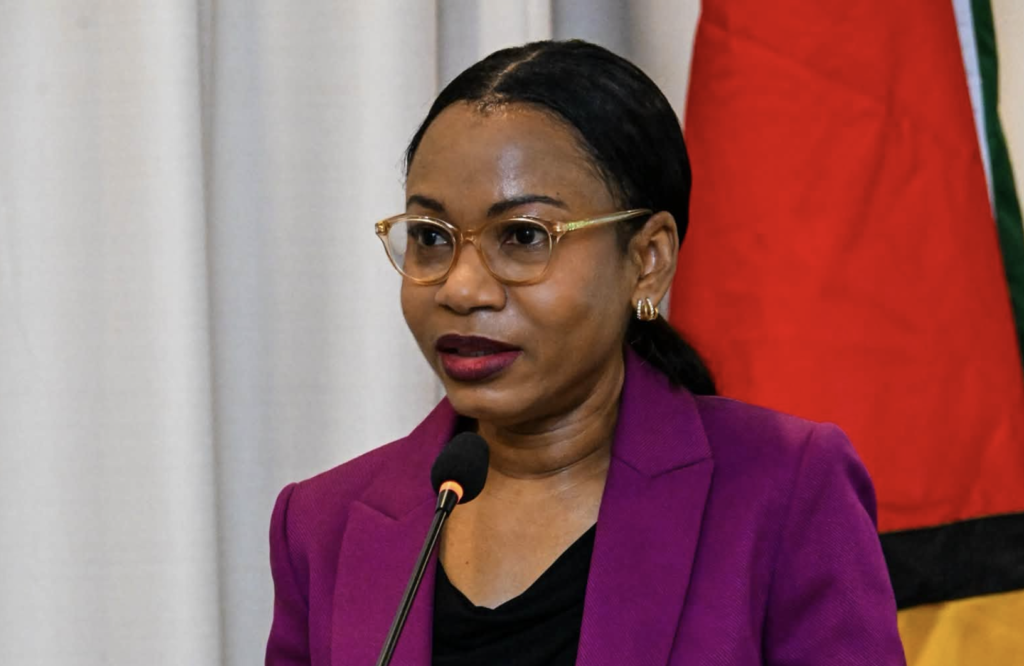
The Home Affairs Minister said for far too long, environmental crimes have been seen as a matter for environmental authority and conservation bodies. She noted that while those bodies remain important, the increasingly sophisticated nature of the activities, demands a broader response.
“Our response must therefore reflect the reality that environmental crime is a threat to economic security and national sovereignty and the rule of law. For Guyana, the relationship between environmental protection and national security is particularly significant, our extensive forest, rich biodiversity, mineral resources, rivers and maritime spaces are not simply features of our natural landscapes, they are strategic national assets,” the Minister said.
Meanwhile, Programme Manager for Crime and Security at the CARICOM Secretariat, Sherwin Stephenson, said confronting environmental crimes requires a harmonized regional policy, strong political will and institutional alignment across the Caribbean community as the offences threaten the shared eco systems, the blue and green economy and long-term resilience of small island developing states.
“Environmental crime has emerged as one of the most serious and rapidly expanding forms of transnational organized crime. While often viewed through an environmental lense, its consequences extend far beyond degradation of eco-systems. Environmental crimes threaten economic development, public health, food security, governance, community development and the sustainable future of our member states,” Stephensen said.
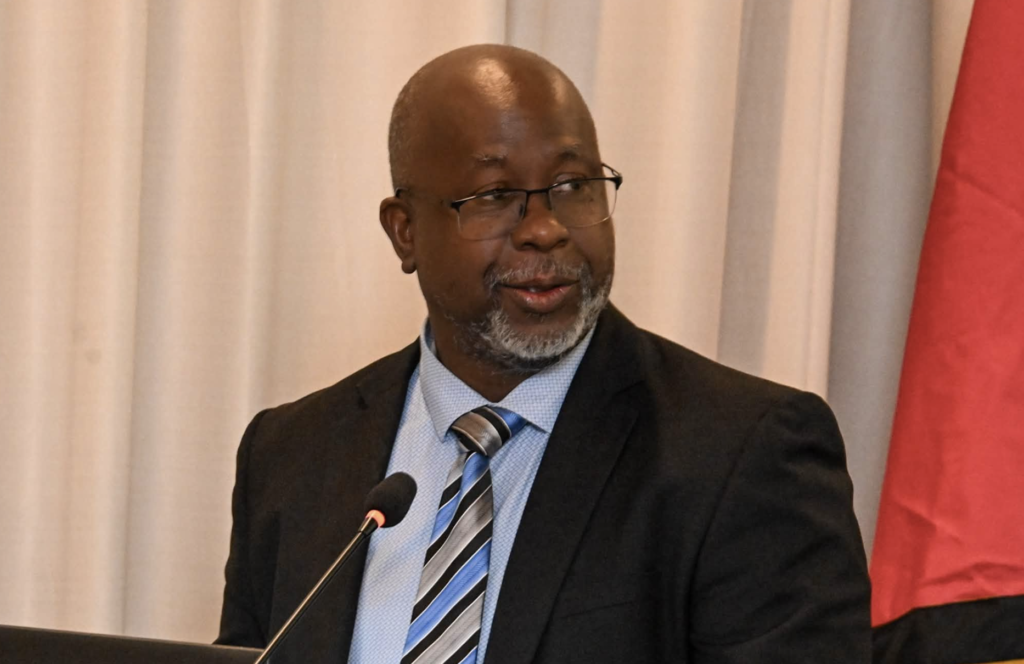
He said the Caribbean’s unique geography, extensive maritime spaces and rich biodiversity and natural resources, make the region particularly vulnerable to exploitation by sophisticated criminal networks.
The regional engagement has brought together representatives of law enforcement and environmental enforcement agencies, regional institutions and international partners to advance cooperation in combating environmental crime, strengthening intelligence sharing and enhancing coordinated enforcement efforts across the Caribbean.
Related posts:
 Probe involving 77 Cuban nationals not being treated as Trafficking in Persons -Home Affairs Minister
 Changing nature of crime is a major challenge for Police Force -Hicken
 PPP wants breakdown of operations of Special Organised Crime Unit; Govt. points to security risks
 Brits to train officers of Special Organised Crime Unit


You must be logged in to post a comment Login