









The European Union (EU) Elections Observer Mission (EOM), in its final report, said the media environment in Guyana during the course of the 2025 General and Regional Elections was “vibrant” but “highly polarized” with a high number of media outlets aligned with the ruling People’s Progressive Party (PPP/C), resulting in a disproportionate coverage in favor of the Government.
The comprehensive 76-page report was made public on Tuesday by the EU EOM’s Chief Observer Robert Biedron during a press conference at the Pegasus Hotel.
It was explained that the state-run media favored the government, while the editorial output of most private broadcast, print and digital outlets reflected their owners’ political alignment, more frequently with the PPP/C.
“The media environment was vibrant but highly polarized. State run and many private outlets strongly favored the ruling PPP/C party, limiting voters’ access to balance information. Independent media, so important and vital for democratic societies offered more pluralistic coverage but overall reporting was shaped by partisanship and tensions between media and political actors,” Biedron said as he presented the report.
The EU EOM found that state funded broadcast media largely excluded opposite voices and campaign coverage was not subject to any media regulation, leaving contestants without guarantees of balanced and equitable access. It was, however, noted that independent broadcasters and print outlets provided more balanced coverage. But, the EU EOM felt that the absence of effective safeguards and the overlap between government communication and campaign activities further constrained pluralistic and objective reporting.
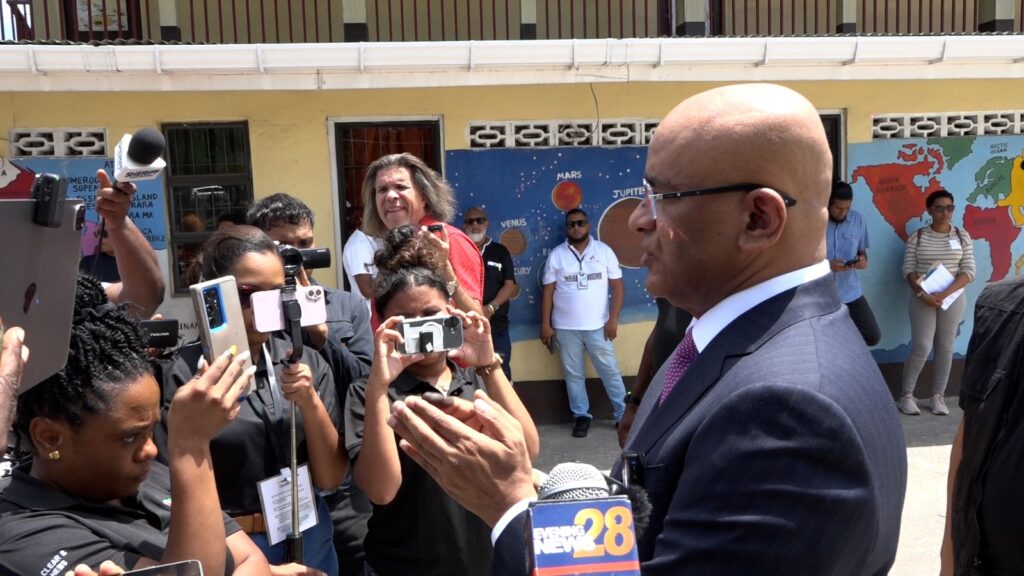
“Our media monitoring showed that state and many private outlet overwhelmingly favored the ruling party while other participants had very limited access. Paid for political content was often not labeled as such. Clear predictable rules on equitable airtime and on how political advertising should be presented would give voters greater awareness. It would also help media outlets navigate a highly polarized environment,” Biedron said.
Citing several examples, the EU EOM pointed to Voice of Guyana Radio and NCN TV, which it found devoted up to 98 percent of their election related coverage to the PPP/C and the incumbent President among all electoral contestants.
Both media outlets, the EU Election Observers said, covered in full all the ruling party rallies held across the country in the lead up to the September 1 polls.
It said that the President’s official ceremonies and speeches, which were sometimes accompanied by the Vice President and Prime Minister, regularly featured in broadcast media, exemplifying the lack of clear distinction between their official and campaign roles.
On the contrary, the EU Observers found that up to two percent of prime-time political coverage of the state-run channels featured A Partnership for National Unity (APNU) and up to one percent featured We Invest in Nationhood (WIN), while all other parties were practically excluded from the election related airtime. The EU EOM said such coverage runs counter to the public service remit of state-run media to the detriment of voters’ access to diverse information.
It said among the broadcast media only privately-owned HGPTV was inclusive, with news airtime equitably divided among all parties and mostly neutral in tone.
For print media, the mission found that Guyana Chronicle and government aligned Guyana Times predominately covered the PPP/C, the incumbent President and the Government while Kaieteur News and Stabroek News featured all contesting parties, providing a more balanced and equitable coverage of the campaign. It said too that among the news websites monitored, News Source demonstrated more balanced coverage of the election campaign, featuring all parties in an equitable way with a neutral tone of reporting.

In the case of social media, the Observers found that social media was littered with manipulated and misleading content, leaving little space for peaceful and pluralistic debate on politics and elections.
“The online information space was vigorous but often antagonistic marked by manipulative context, driven by a small number of influencers and digital media closely align with the main political forces,” the Chief Observer explained.
However, it was also found that a few digital media outlets and influencers, including from indigenous communities promoted inclusive, nonpartisan discussion on pressing social issues, party promises and candidates, thus helping voters to make informed choice.
It was noted that Guyana’s legal and regulatory framework for media is sparse, and while the constitution guarantees freedom of expression, costly and complex criminal defamation lawsuits are often used by the government and businesses to target critical reporting.
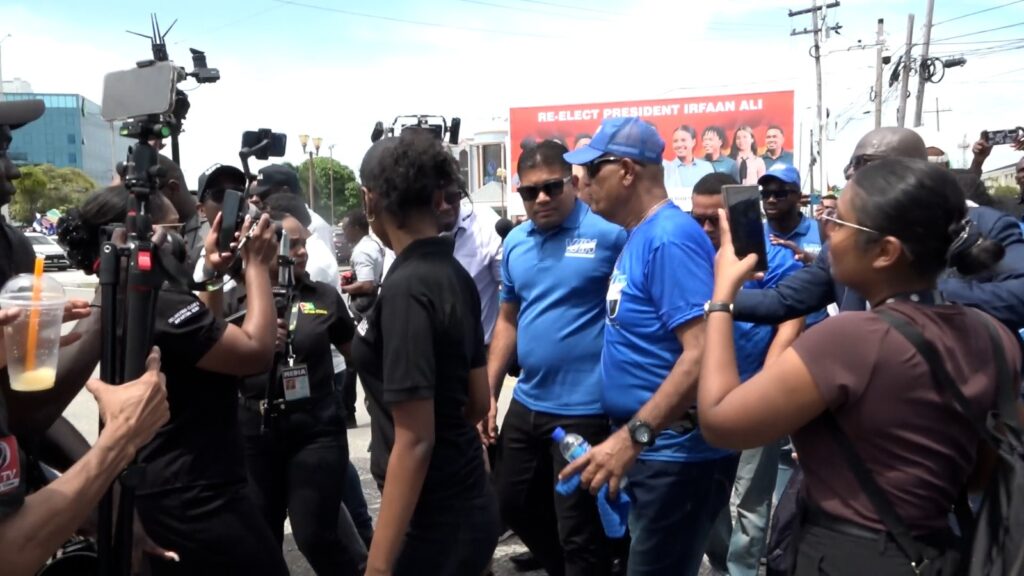
As part of the EOM’s list of priority recommendations is a call for the establishment of media campaign coverage rules on equitable airtime and space for electoral contestants as well as political advertising, in a timely and consultative manner. It was also recommended that more be done to strengthen the independence of GNBA by impartial and inclusive appointment of the board members and its accountability through a transparent decision making process. (Svetlana Marshall)
Related posts:
 EU Election Observer Mission hands over final report to GECOM
 Chief Election Officer seeks clarifications from GECOM Chair on request for final report
 APNU+AFC backs Final Election Report using only “valid votes”
 EU Election Observer Mission urges campaign finance legislation and reforms at GECOM in Final Report

You must be logged in to post a comment Login