










The MV Barima tragedy has left Guyana in deep mourning with families losing their loved ones, and survivors trying to come to grip with their new realities.
In an interview on the Sources talk show, Trauma Specialist and Grief Counselor, Marva Langevine explained that the country is witnessing both direct and indirect trauma.
Survivors and families who lost loved ones are dealing with acute trauma, while many other Guyanese are experiencing what she described as “secondary trauma”, because they have been following the tragedy and sharing in the nation’s grief.
Ms. Langevine explained that what families are experiencing is known as traumatic loss. This, she said, happens when someone dies in a shocking or unexpected event. In such situations, people often experience both grief and trauma at the same time.
According to Langevine, these responses should not be ignored. She explained that trauma is an injury to both the body and the mind, and it places people in a state of heightened emotions and can make it difficult to manage everyday life.
The Grief Counselor noted that people respond to trauma in different ways, although not every one affected would be traumatized by a situation.
“It’s gonna be challenging, and it requires processing”, she said concerning the healing process for families and victims affected.
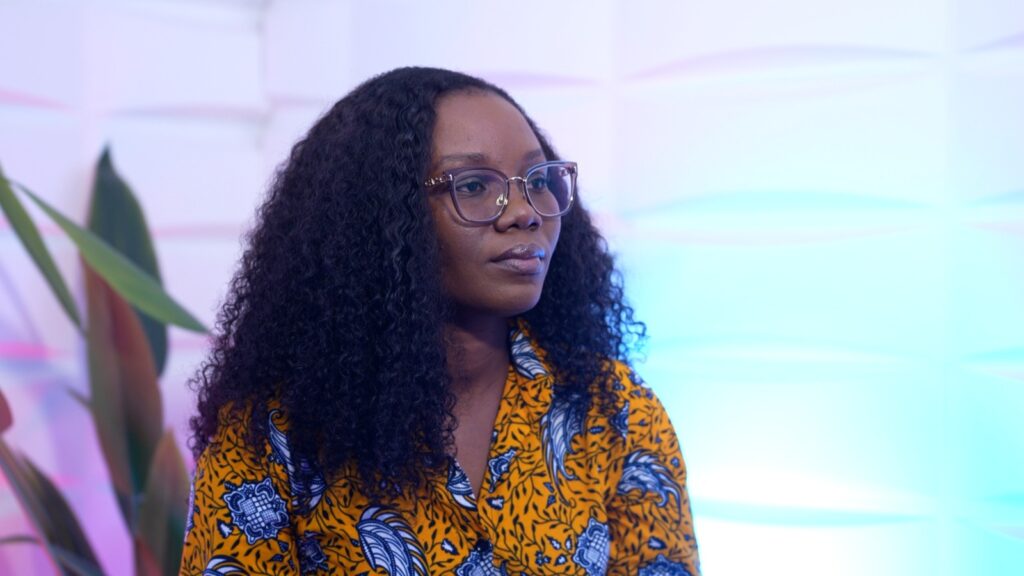
She encouraged people supporting survivors and grieving families to validate their feelings.
Langevine said feeling safe is one of the most important steps in trauma recovery, explaining that children and adults grieve differently.
Despite the pain many families are facing, Langevine said there is hope for healing.
“There is strength after trauma, there is something called post-traumatic growth, and there is the opportunity where people can find meaning in some of the toughest experiences, and they move forward in a way where they can honour…the memory of who they would have lost”
She spoke about the emotional impact of identifying the bodies of loved ones. Seeing images of victims or hoping that a recovered body belongs to someone else can increase emotional distress. For families whose loved ones have still not been found, the uncertainty can make the grieving process even harder, she noted, while explaining that funerals play an important role in helping many people begin to heal and not having that opportunity may delay recovery.
Langevine said families should seek professional help if trauma symptoms do not begin to lessen after four weeks.
The Government has indicated that it has dispatched Grief Counselors and Social Workers to the communities where many of the victims lived and where survivors also reside.
Related posts:
 National body established to aid in healing after MV Barima tragedy; Financial aid for families of victims and survivors being examined
 National Toshaos Council calls for transparent and independent probe of MV Barima ferry tragedy
 GTUC calls on Government to stop “parading” Mahdia fire victims and their families
 Government to offer longterm support to survivors and families of victims of Mahdia dorm fire

You must be logged in to post a comment Login