









Director of Public Prosecutions (DPP), Senior Counsel Shalimar Ali-Hack, has indicated that Guyana has made significant strides in combating violence in the society, with a number of modern pieces of legislation now in place. However, she believes greater focus on education is needed as violence persists, particularly against women and children.
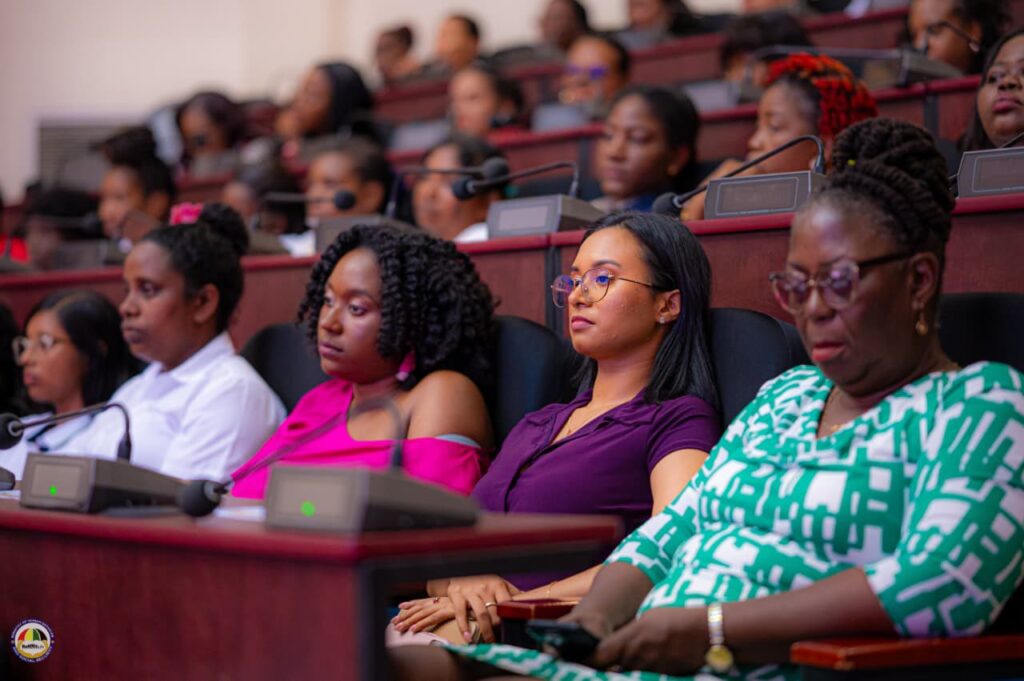
In her address at the Ministry of Human Services’ “We Lift” Forum” in observance of International Women’s Day, the DPP said since 1996, Guyana has reformed legislation to address violence in the society, but also to allow for rehabilitation.
“Since 1996 we have been making strides in new legislation. In 1996 we had a Domestic Violence Act, and that has been replaced with the Family Violence Act. So, we see Guyana consistently making strides in the legislation, ensuring that legislation is there to address issues in the society. We have had the Restorative Justice Act. We have had the Sexual Offenses Act,” the DPP said.
The Restorative Justice Act is among the modern legislation brought into effect. Restorative Justice is an approach to conflict resolution that places tremendous focus on repairing the harm caused by wrongdoing through dialogue however; it does not apply to capital offenses involving violence or sexual offences, including those involving children.
The DPP said in addition to legislative reform, the Government has also established Hope and Justice Centers, and the 914 hotline to provide support to persons particularly those experiencing or witnessing violence, whether it be sexual offense, domestic violence or child abuse.
“The Ministry of Human Services during the last five years under the watch of this honourable minister has seen it fit to have these hotlines because people need to have immediate response. And I think that this is very important in countering violence in society because if violators know that they have a freedom, they will continue or it will develop or worsen. But if they know there is a system in place then they may think twice,” the DPP said.
However, she said a sore issue remains the withdrawal of cases by complainants.
While acknowledging that the problem may be as a result of family relations, emotional attachment and or economic needs, the DPP said the Guyana Police Force often times find itself in situations where complaints are withdrawn just as the Police are preparing to institute charges.
“Persons must understand that they need to proceed with the prosecution. Courts, at the time, need to understand that we don’t need always to imprison these people. We are moving away, and this is the very spirit of our highest court – the Caribbean Court of Justice – of moving away from this punitive system to a restorative system whereby persons can be rehabilitated so as to restore them back into society,” the DPP said.
She said notwithstanding the legislative framework in place and the social services offered, violence persists.
It was on this note that the DPP underscored the importance of education in combating violence.
Ali-Hack said in addition to the Guyanese acquainting themselves with the laws and social services in place, Guyanese, from homes to schools and communities, must be taught that violence is not the way. Emphasis, she said, must be placed on dialogue.
She urged the use of technology and social media to educate Guyanese on the laws, but also noted the importance of dialogue, as against violence.
Related posts:
 ChildLink pushes for greater protection of boys against sexual violence with new campaign
 Caribbean facing greater risk from violence than Coronavirus -PM Mottley
 National Strategic plan needed to address violence against women -Rights Activist Nicole Cole
 Guyana to step up fight against violence against women

You must be logged in to post a comment Login